Lighting plays a fundamental role in how we experience our homes and workplaces. It influences mood, productivity, safety, and even energy consumption. As electricity costs continue to rise and sustainability becomes a greater priority, energy-efficient lighting solutions for homes and offices have moved from being optional upgrades to essential investments. Modern lighting technologies offer powerful illumination, long lifespans, and reduced environmental impact—all while lowering monthly utility bills. Whether you are upgrading a residential space or optimizing a commercial office environment, understanding energy-efficient lighting options can transform both performance and cost efficiency.
Traditional lighting systems, such as incandescent and older fluorescent fixtures, consume significantly more energy than modern alternatives. They also generate excess heat, which increases cooling demands in climate-controlled spaces. Energy-efficient lighting, on the other hand, converts a higher percentage of electricity into usable light rather than heat. This improved efficiency translates into lower energy consumption and extended bulb lifespan, reducing maintenance costs over time. For property owners, this means less frequent replacements, fewer service interruptions, and measurable savings. Discover reliable services tailored just for you and your Jacksonville NC Electric.
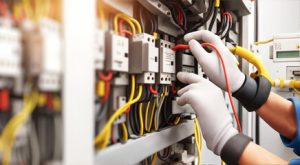
One of the most widely adopted energy-efficient lighting solutions is LED technology. LED lighting has become the industry standard for both residential and commercial applications due to its durability, versatility, and superior efficiency. LEDs use a fraction of the energy required by incandescent bulbs while producing equal or greater brightness. In addition to energy savings, LED fixtures are available in various color temperatures and designs, making them suitable for everything from cozy living rooms to professional office settings.
The benefits of LED lighting extend beyond energy reduction. LED fixtures typically last significantly longer than traditional bulbs, often operating for tens of thousands of hours before replacement is necessary. This longevity is especially valuable in office buildings where lighting systems operate for extended periods daily. Reduced maintenance demands free up time and resources while minimizing disruption in high-traffic areas.
When considering energy-efficient lighting solutions for homes and offices, it is important to evaluate more than just bulb type. A comprehensive lighting strategy should address layout, control systems, and natural light integration. Effective lighting design enhances comfort while minimizing energy waste. Key elements of an efficient lighting plan include:
- Proper fixture placement to eliminate dark spots and reduce the need for excessive brightness.
- Use of dimmers and smart controls to adjust illumination levels based on activity.
- Incorporation of occupancy sensors to prevent lights from remaining on in empty rooms.
- Maximizing natural daylight through window placement and reflective surfaces.
Each of these strategies contributes to lower energy usage without sacrificing performance. For example, occupancy sensors automatically turn lights off when rooms are unoccupied, significantly reducing unnecessary consumption in conference rooms, restrooms, or storage areas.
In residential settings, energy-efficient lighting improves both ambiance and practicality. Kitchens, living rooms, bedrooms, and outdoor spaces all benefit from tailored lighting solutions. Layered lighting—combining ambient, task, and accent illumination—ensures that each space serves its intended purpose effectively. For instance, under-cabinet LED strips provide focused task lighting in kitchens, while warm-toned fixtures create a relaxing atmosphere in bedrooms. Exterior LED lighting enhances security and visibility while using minimal energy.
Homeowners also benefit from integrating smart lighting systems. Smart bulbs and automated controls allow users to schedule lighting patterns, adjust brightness remotely, and monitor energy consumption. These systems can be programmed to align with daily routines, ensuring that lights are only active when needed. Over time, this level of control contributes to substantial savings and supports environmentally responsible living.
In office environments, lighting directly impacts productivity and employee well-being. Poor lighting can cause eye strain, headaches, and fatigue, reducing workplace efficiency. Energy-efficient lighting solutions for offices focus on delivering consistent illumination while minimizing glare and shadows. LED panel lights, task lighting at workstations, and balanced overhead fixtures create a comfortable visual environment that enhances focus and collaboration.
Daylight harvesting systems are particularly effective in office spaces. These systems use sensors to measure available natural light and automatically adjust artificial lighting levels accordingly. When sunlight is abundant, electric lighting dims to conserve energy. As daylight decreases, illumination increases to maintain consistent brightness. This dynamic approach optimizes energy usage while maintaining visual comfort.
Commercial offices often operate for extended hours, making lighting efficiency even more critical. Replacing outdated fluorescent fixtures with LED alternatives can significantly reduce energy consumption and cooling costs. Additionally, centralized lighting control systems allow facility managers to monitor usage patterns, identify inefficiencies, and implement targeted improvements. Data-driven insights enable smarter decision-making and long-term operational savings.
Another important consideration in energy-efficient lighting is color temperature. Warm white lighting creates a comfortable, inviting atmosphere in residential settings, while cooler tones promote alertness and concentration in office environments. Selecting appropriate color temperatures enhances both comfort and productivity. Adjustable LED systems offer flexibility, allowing users to customize lighting based on time of day or activity.
Energy-efficient lighting also contributes to environmental sustainability. Lower electricity consumption reduces demand on power generation systems, which in turn decreases greenhouse gas emissions. By transitioning to efficient lighting solutions, homeowners and businesses support broader environmental goals while benefiting financially. Many organizations incorporate lighting upgrades into sustainability initiatives to reduce their carbon footprint and demonstrate environmental responsibility.
When planning lighting upgrades, it is essential to conduct an energy audit. An audit evaluates current lighting systems, identifies inefficiencies, and recommends targeted improvements. This assessment provides a roadmap for upgrading fixtures, controls, and layouts. In larger office environments, phased implementation may be practical, allowing upgrades to occur gradually without disrupting operations.
In addition to LEDs, other technologies contribute to energy-efficient lighting strategies. High-efficiency fluorescent systems and advanced control platforms remain viable options in certain applications. However, LED solutions continue to dominate due to rapid technological advancements and decreasing costs. As innovation progresses, newer fixtures offer improved brightness, color rendering, and integration capabilities.
Cost considerations often influence decisions about lighting upgrades. While energy-efficient fixtures may have higher upfront costs than traditional alternatives, long-term savings typically outweigh initial investments. Reduced energy bills, lower maintenance expenses, and extended equipment lifespan generate positive returns over time. For offices, productivity improvements further enhance the value of lighting upgrades.
There are several measurable advantages to implementing energy-efficient lighting solutions in homes and offices:
- Lower monthly energy bills through reduced electricity consumption.
- Decreased maintenance costs due to longer fixture lifespan.
- Improved visual comfort and productivity.
- Enhanced environmental sustainability.
These benefits make lighting upgrades a strategic investment rather than a simple cosmetic improvement.
Proper installation is also critical to achieving maximum efficiency. Even the most advanced fixtures will underperform if installed incorrectly. Electrical professionals ensure that wiring, controls, and fixtures are configured properly to optimize performance. Attention to detail during installation prevents issues such as flickering, uneven illumination, or premature failure.
Maintenance remains important even with energy-efficient systems. Dust accumulation, damaged fixtures, and control malfunctions can reduce effectiveness over time. Routine inspections and cleaning preserve brightness and ensure consistent operation. Proactive maintenance extends the life of lighting systems and protects energy savings.
In both homes and offices, lighting influences more than just visibility—it shapes experiences. Well-designed, energy-efficient lighting enhances comfort, safety, and overall functionality. For homeowners, it creates inviting living spaces that align with personal style and sustainability goals. For businesses, it supports productivity, professionalism, and operational efficiency.
As energy standards evolve and awareness of sustainability grows, energy-efficient lighting solutions will continue to play a central role in modern property management. Upgrading lighting systems is one of the most accessible and impactful steps property owners can take to reduce energy usage. By combining advanced LED technology, smart controls, and thoughtful design, homes and offices can achieve optimal illumination with minimal environmental impact.
Investing in energy-efficient lighting is not merely about cutting costs—it is about creating smarter, more sustainable spaces. Whether renovating a single room or upgrading an entire office building, the transition to efficient lighting delivers lasting benefits. With careful planning, professional installation, and ongoing maintenance, property owners can enjoy brighter environments, improved performance, and meaningful energy savings for years to come.